

Heat pumps
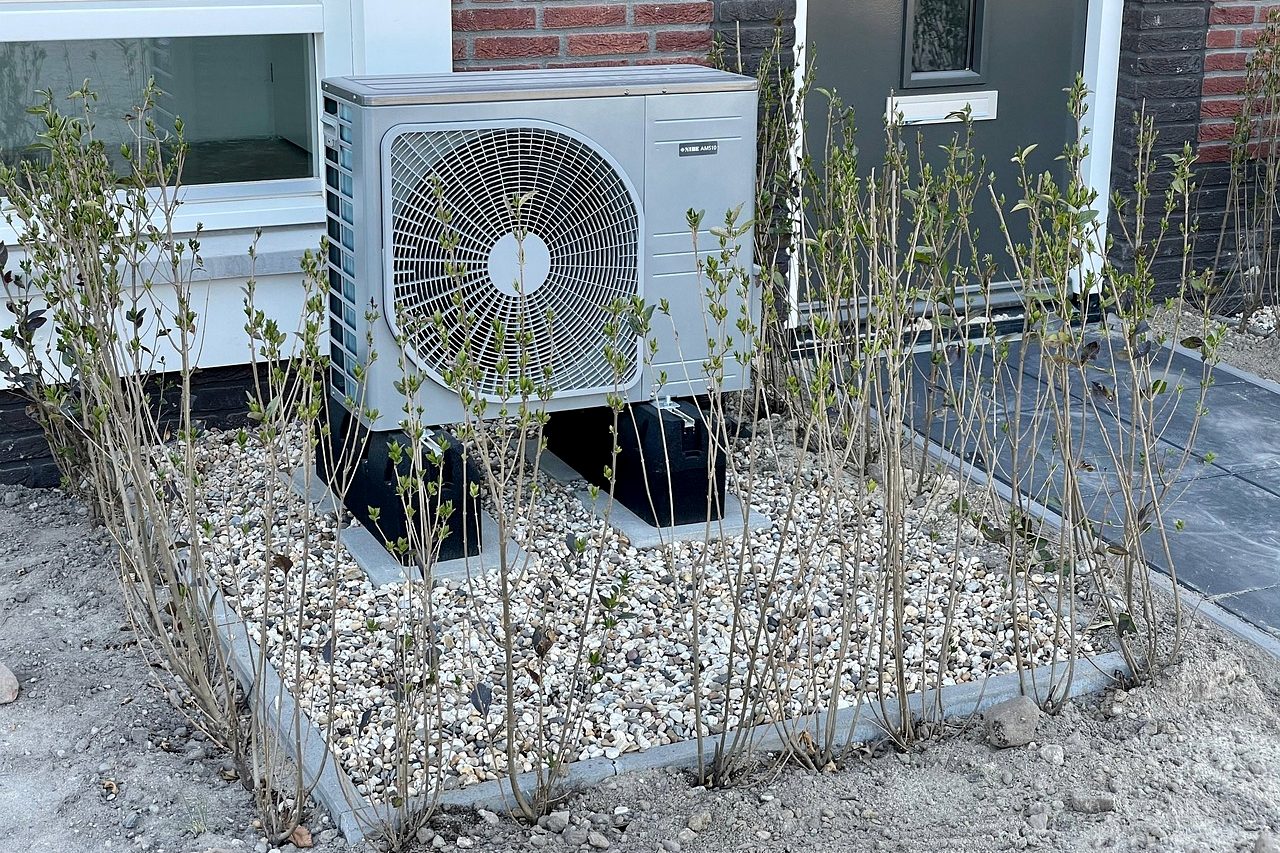
A heat pump takes most of the energy it needs for heating from its surroundings – the air, the ground or water. It mainly uses electricity to move that heat into your home.
What it is and what it does for your home
The principle is similar to a fridge, only in reverse: a refrigerant in a closed circuit absorbs heat from the outside environment, a compressor raises its temperature and a heat exchanger transfers the heat into the heating water. For every kilowatt-hour of electricity, the pump delivers several times more heat into your home.
Family homes most often use air-to-water heat pumps, which take heat from the outside air and need no boreholes or ground collectors. Ground-to-water and water-to-water systems are more efficient in winter, but require boreholes, a ground collector or wells.
A heat pump works best with a low heating water temperature, which makes it an excellent match for underfloor or wall heating and a well-insulated house. As well as heating, it provides hot water, and some types can also cool your home in summer.
For your household, that means lower heating bills, no combustion in the house and the option of using electricity from your own solar panels.
What the system can do and what it consists of
- Outdoor unitIn an air-to-water system, it takes heat from the outside air; it is positioned with noise, condensate drainage and service access in mind.
- Indoor unit and heat exchangerTransfers heat into the heating system and usually also contains the circulation pump, valves and controls.
- Hot water cylinderHot water for your household – with suitable controls, heated preferably when cheaper electricity or your own solar power is available.
- Buffer tankSmooths out the pump's operation, extends its running cycles and helps keep it running steadily.
- Backup heat sourceAn electric immersion heater or another source helps on the coldest days and when heating water to a higher temperature.
- Electrical connectionA dedicated supply, circuit protection and control from the consumer unit as part of your home's electrical installation.
- Weather-compensated controlThe heating water temperature adapts to the outside temperature – and, in a smart home, to which rooms are currently in use.
- Cooling in summerSome types can gently cool your home via underfloor heating or indoor units.
Why GRANDCOM
Electrics, IT and security under one roof
We design the wiring, home network, smart home and security together, so all the parts fit seamlessly together.
Servicing and support
You are not left on your own after handover – we help with changing settings, expanding the system and fixing faults.
One point of contact
One company coordinates the whole project, so you do not have to juggle multiple tradespeople and suppliers.
How the work at your home goes
Site visit
We come and look at your house or flat, go through your requirements and check your current installation.
Design and quote
We prepare a technical solution and an itemised quote, so you know exactly what you will get.
Installation
We coordinate our work with the other trades on site; once finished, we set everything up and test it.
Handover and support
We show you how everything works, hand over the documentation and remain available for servicing and further changes.
Related topics
Areas closely connected to this topic.
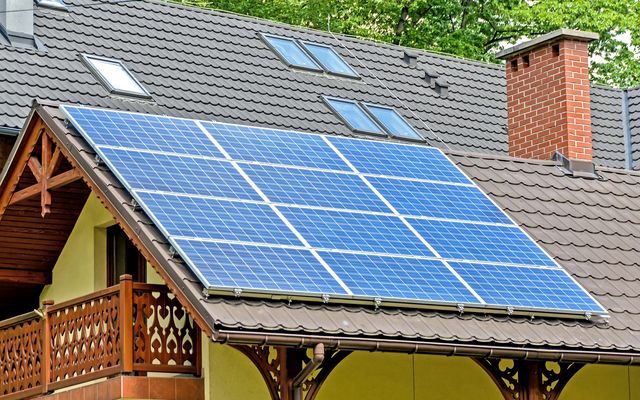
Solar PV for family homes
Your own solar electricity, designed around your home's consumption – panels, an inverter, battery storage and smart use of surplus power.
Learn more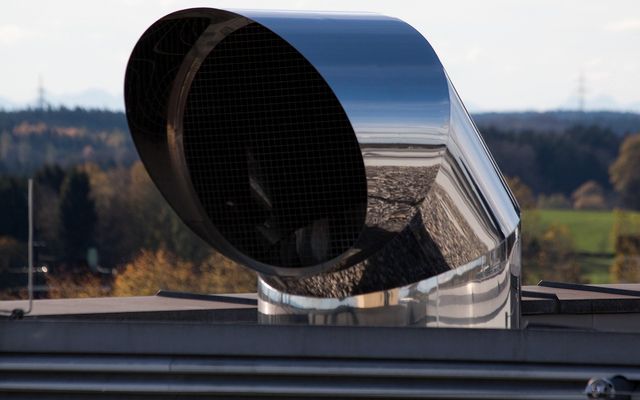
Heat recovery ventilation
Controlled ventilation with heat recovery – fresh, filtered air in your home all the time, without opening windows or wasting heat.
Learn more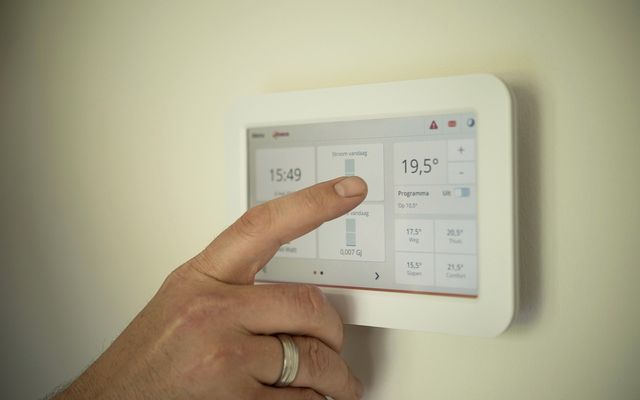
Smart heating
Room-by-room temperature control based on time of day and whether anyone is home, control from your phone and a link to your heat source – a boiler or a heat pump.
I'm interestedLooking for more economical heating?
During a site visit, we will assess your house, heating system and electricity supply and recommend the right type of heat pump.
No-obligation site visit