

Heat recovery ventilation
A heat recovery unit continuously brings fresh air into your home and extracts stale air, while keeping most of the heat from the outgoing air inside.
What it is and what it does for your home
Modern houses are built very airtight so that heat does not escape. Without ventilation, however, moisture, carbon dioxide and odours quickly build up inside. Opening a window helps only briefly, and in winter the heat you have paid for goes out with it.
Heat recovery ventilation solves both problems. Air is extracted from the kitchen, bathroom and toilets, and fresh air is supplied to the living room and bedrooms. Both airflows pass through a heat exchanger where they never mix – the warm outgoing air simply warms up the cold incoming air.
The incoming air passes through filters that capture dust, pollen and insects. This is especially welcome for allergy sufferers and homes near busy roads – the windows can stay closed while the air inside stays fresh.
The result is a healthier living environment, less damp and mould, and lower heat losses through ventilation.
What the system can do and what it consists of
- Heat recovery unitThe heart of the system, with fans, a heat exchanger and filters; it is installed in a utility room, the loft or a suspended ceiling.
- Heat exchangerTransfers heat from the extracted air to the supply air; an enthalpy exchanger also transfers some of the moisture and prevents the air from becoming too dry in winter.
- DuctworkDucts routed in the floor, ceiling or a suspended ceiling, with vents in individual rooms.
- FiltersCapture dust, pollen and dirt from the outside air; replacing them regularly is part of basic maintenance.
- Frost protectionPre-heating or unit control prevents the heat exchanger from icing up during frosts.
- Summer bypassOn summer nights, cooler outside air bypasses the heat exchanger and helps cool the house down.
- Air quality-based controlVentilation intensity can vary with humidity or CO₂ levels – more when cooking or showering, less when nobody is home.
- Single-room unitsFor renovations with no space for ductwork, smaller units can be fitted directly in the external wall.
Why GRANDCOM
Electrics, IT and security under one roof
We design the wiring, home network, smart home and security together, so all the parts fit seamlessly together.
Servicing and support
You are not left on your own after handover – we help with changing settings, expanding the system and fixing faults.
One point of contact
One company coordinates the whole project, so you do not have to juggle multiple tradespeople and suppliers.
How the work at your home goes
Site visit
We come and look at your house or flat, go through your requirements and check your current installation.
Design and quote
We prepare a technical solution and an itemised quote, so you know exactly what you will get.
Installation
We coordinate our work with the other trades on site; once finished, we set everything up and test it.
Handover and support
We show you how everything works, hand over the documentation and remain available for servicing and further changes.
Related topics
Areas closely connected to this topic.
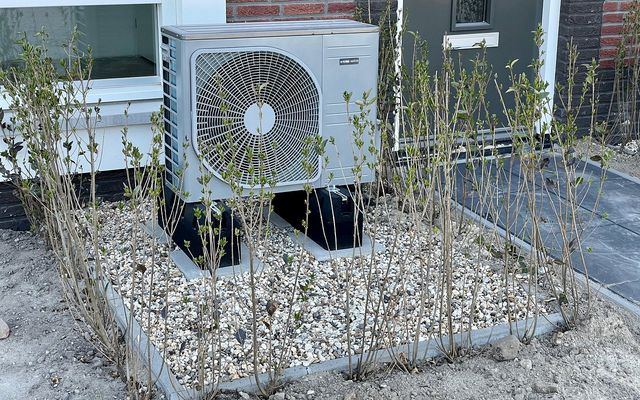
Heat pumps
Heating and hot water powered by energy from the outside air, the ground or water. Best suited to underfloor heating and well-insulated homes.
Learn more
Loxone smart home
Lighting, blinds, heating, energy and access to your home, all controlled by one central unit that takes care of most things on its own. We work with Loxone systems.
Learn more
Electrical installations for houses and flats
New wiring in new builds as well as renovations of flats and family homes – from planning where sockets and lights go to the installation itself and preparation for inspection.
Learn moreWant fresh air at home all the time?
Heat recovery ventilation is easiest to plan during a build. During a site visit, we will propose where to place the unit and how to route the ductwork.
No-obligation site visit